Primary schools in Zimbabwe carry one of the biggest responsibilities in education. These are the foundational years where children learn to read, write, count, communicate, and build the mindset that will shape their future.
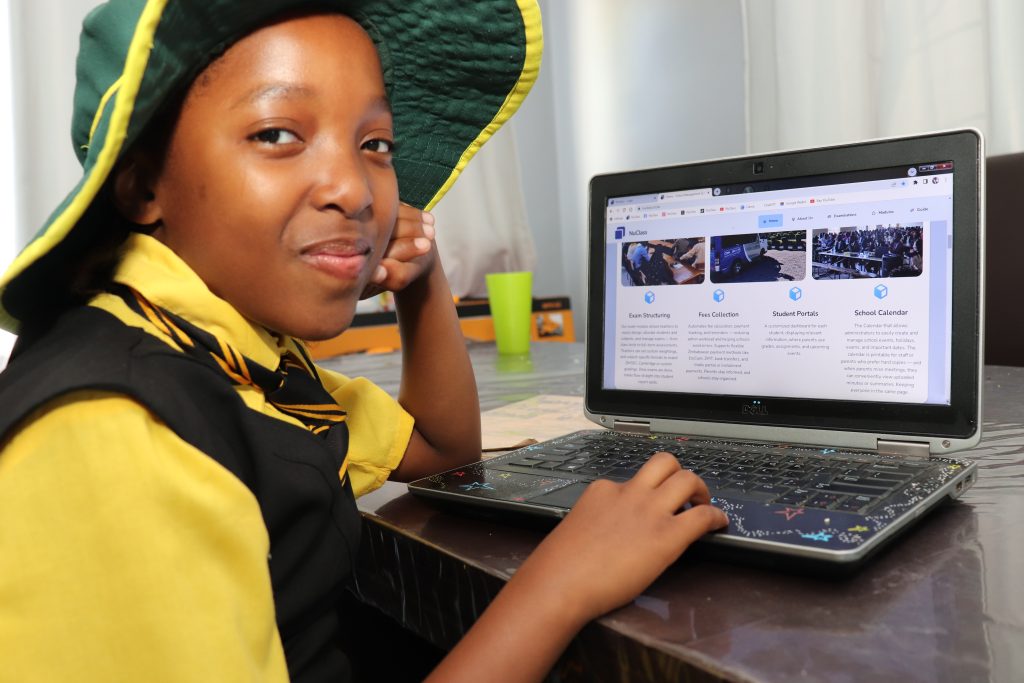
Yet, behind the classroom smiles, school teachers are among the most overworked in the entire education system.
They are faced with tasks of handling attendance registers, teaching 7–10 subjects/classes daily, preparing lesson plans, recording marks, managing pupil’s of different characters, communicating with parents, compiling academic reports, handling and facilitating inspections, organising class files, and the list goes on. Ultimately this workload directly affects a teacher’s attention to the needs of pupils individually hence affecting the overall performance of the pupils.
This is why school heads are now searching for solutions that lighten teacher workload and improve organisation, specifically:
- “System for primary schools Zimbabwe”
- “School management systems zim”
- “Software for Schools Zimbabwe”
- “Easy system for school teachers”
And the answer is simple:
A school management system designed for Zimbabwean needs.
In this blog, we’ll break down the exact system primary schools need, how it solves everyday problems, and why more schools are choosing NuClass.
1. What Is a School Management System?
A school management system is a software that helps schools, including infant and junior schools, manage the following:
- Attendance
- Marks
- Lesson assessments
- Report cards
- Parent communication
- Student profiles
- Invoicing
- Class performance analysis
- Teacher workload
It is built to accommodates Grade 1–7 classes, ECD A & B classes, Infant and Junior departments, depending on the structure of individual schools. Basically in Zimbabwe, this kind of system must support:
- ZIMSEC subjects
- Infant report formats
- Junior assessment needs
- Term-based structure
👉 Primary schools have unique needs, and the system must reflect that.
2. Why Primary Schools Need a Digital System (Zimbabwe Realities)
Let’s look at the real challenges primary schools face every term.
Teachers handle too many subjects
A primary school teacher manages:
- Mathematics
- English
- Shona/Ndebele
- Social Sciences
- Science and Technology
- Heritage Studies
- PE and Arts
- Music
- ICT
Recording marks for all these subjects manually is exhausting.
Continuous assessments are overwhelming
Primary teachers collect:
- class tests
- reading assessments
- writing exercises
- oral work
- group work
A good system keeps all these records organised.
c) Parents expect timely updates
Parents need:
- behaviour reports
- academic updates
- absentee alerts
- homework reminders
Communication must be simple and fast.
d) Infant department has special reporting needs
ECD and Grades 1–2 require:
- developmental milestones
- continuous monitoring
- individual behaviour notes
A system must support these unique formats.
e) Inspectors require organised documentation
Primary schools undergo frequent:
- supervision
- school inspections
- file checks
- syllabus coverage reviews
Digital systems make inspections smooth.
3. What to Look for in a Primary School Management System
Not every school system is suitable for primary schools.
A great system must have the following features:
1. Infant- and Junior-Friendly Reporting
Infant reports must include:
- Psychomotor development
- Literacy skills
- Numeracy skills
- Social behaviour
Junior reports must include:
- subject marks
- grades
- comments
- attendance
- teacher remarks
2. Simple Interface for Teachers
Primary teachers are busy, so the system must:
- open fast
- require minimal training
- work on mobile phones
- support offline-like usage in weak networks
3. Continuous Assessment Tools
The system should safely store:
- weekly tests
- projects
- reading scores
- compositions
- daily class activities
4. Clear Class Performance Dashboards
School heads must see:
- subject weaknesses
- class trends
- student progress
- teacher performance
5. Works Well on Weak Network Connectivity
Especially important for rural primary schools.
6. Easy Parent Communication
Reports must be:
- WhatsApp-ready
- printable
- clear
- professional
7. Affordable Pricing
Primary schools operate under tighter budgets.
The system must be practical and cost-effective.
4. How a Good Primary School System Helps Teachers
Here’s what teachers gain:
✔ Faster marks entry
Teachers can enter marks on their phones.
✔ Automatic calculations
No more averaging 10 subjects manually.
✔ Instant report cards
Prepared within minutes instead of days.
✔ Organised records
No more searching through exercise books and files.
✔ Less admin stress
Teachers regain energy for actual teaching.
✔ Professional output
Clean, modern reports impress parents and heads.
✔ Improved teaching quality
Teachers can track which lessons children struggle with.
5. How a Primary School System Helps Heads and Administrators
School heads gain powerful tools:
✔ Full school overview
Performance, attendance, discipline — all visible.
✔ Less pressure during inspections
Records are clean, accurate, and searchable.
✔ Data-driven leadership
Identify weak subjects or struggling classes.
✔ Better parent relationships
Parents receive timely, clear updates.
✔ Professional school image
A modern system attracts more enrolments.
6. Why NuClass Is the Best System for Primary Schools in Zimbabwe
NuClass was designed with Zimbabwean primary schools in mind.
Here’s why schools prefer it:
1. Supports infant and junior report formats
NuClass handles:
- ECD reports
- Grade 1–2 developmental reports
- Grade 3–7 academic reports
- Skills-based comments
👉 [Add link to NuClass homepage]
2. Extremely easy for teachers to use
Teachers learn it in 20–30 minutes.
3. Works on phones and low data networks
Perfect for rural schools too.
4. Automatic marks, averages, and comments
No more calculating manually.
5. Beautiful, clean report cards
Parents love them.
6. Tracks continuous assessments
All daily work recorded safely.
7. Powerful class performance analytics
Instant visibility into:
- strongest subjects
- weakest subjects
- student growth
8. Affordable pricing
Designed specifically for Zimbabwean schools.
9. Fast setup
Your school can be digital in one day.
⭐ Final Thoughts
Primary schools carry the weight of shaping Zimbabwe’s future.
Teachers work endlessly to give learners the best start in life, but manual systems slow them down.
A proper primary school management system:
- saves time
- reduces stress
- improves accuracy
- strengthens communication
- boosts academic performance
- impresses parents
- prepares schools for inspections
NuClass has emerged as one of the most trusted systems for primary schools in Zimbabwe, empowering teachers, helping school heads, and giving learners the support they deserve.
If your primary school is ready to simplify operations and enter the digital future: