The festive season in Zimbabwe is a beautiful time.
Families travel long distances to reconnect. Children laugh freely. Weddings, Christmas lunches, church services, and end-of-year celebrations fill the calendar. For a few weeks, life feels lighter.
But quietly, in the background, January is approaching.
In just a matter of days, reality returns. School gates reopen. New uniforms are ironed. Fees are due. Some children will step into a classroom for the first time ever, while others will walk into high school for the first time, facing a completely new world.
For many parents, this transition is rushed — and stressful.
Yet the festive holidays are actually the best time to prepare.
Not by panicking, but by asking the right questions early.
This article is designed to guide Zimbabwean parents through the most important questions they should be asking now — so that when January comes, both parent and child step into the new school year with confidence.
Why the Festive Season Is the Best Time to Prepare for School

During the school term, parents are busy reacting — to homework, fees, discipline issues, transport challenges, and academic results.
The festive season is different.
It offers:
- Time to observe your child
- Space to reflect as a family
- Opportunities for honest conversations
- A calm window to plan instead of panic
Preparation done in December is cheaper, less stressful, and more thoughtful than last-minute scrambling in January.
1. Is My Child Emotionally Ready for This Next Step?
Academic readiness is important — but emotional readiness is critical.
Whether your child is starting ECD, Grade 1, Form 1, or Form 5, transitions bring fear, excitement, and uncertainty.
Ask yourself:
- Can my child express their feelings?
- How do they handle change?
- Do they cope well when separated from familiar environments?
- Are they confident enough to ask for help?
During the holidays, observe how your child behaves around relatives, new environments, and unfamiliar situations. These moments offer clues about how they may adjust at school.
Parents should also talk openly with their children:
- What excites you about school?
- What scares you?
- What do you think school will be like?
Listening is more important than correcting.
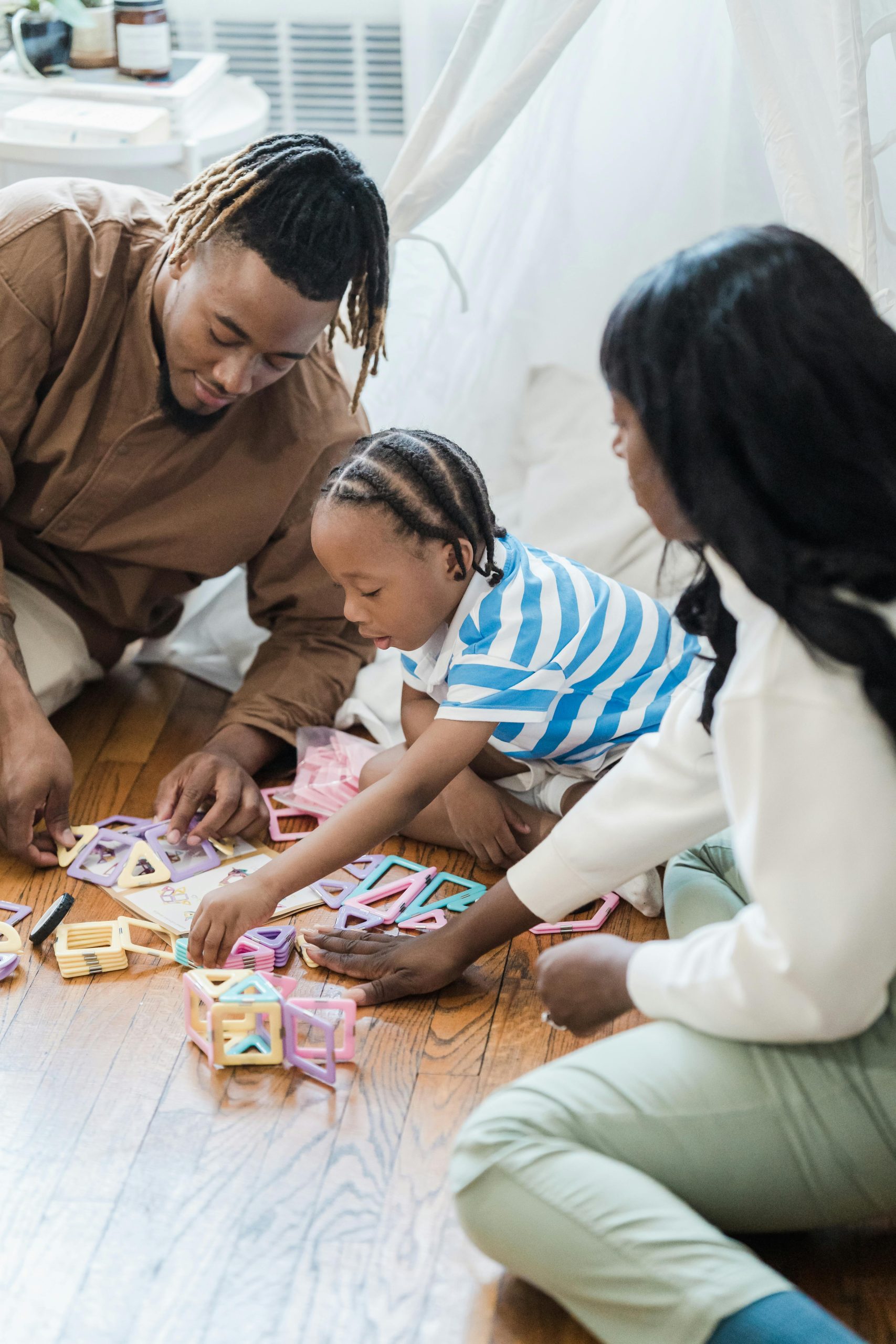
Simple moments of play and attention help children feel secure, confident, and emotionally prepared for the transition into school.
2. Do I Truly Understand the School Environment My Child Is Entering?
Many parents focus on fees and uniforms — but overlook the school culture.
Every school has its own:
- Discipline approach
- Communication style
- Academic expectations
- Values and routines
Ask:
- How does this school handle discipline?
- How do teachers communicate with parents?
- What support exists for struggling learners?
- How are new students helped to adjust?
Parents can also benefit from understanding national education expectations by referring to official guidance from Zimbabwe’s primary and secondary education system.
Research around child emotional development and early learning highlights the importance of emotional security and support during major transitions such as starting school.
If your child is moving to high school, the shift is even bigger:
- Multiple teachers instead of one
- Increased workload
- Peer pressure
- Less direct supervision
Understanding the environment allows you to prepare your child realistically, not emotionally shield them until reality hits.
3. How Will I Support My Child Academically at Home?
Education does not stop at the school gate.
Parents often assume academic support means helping with homework — but it goes deeper.
Ask yourself:
- Do I know my child’s learning strengths?
- Can I identify when they are falling behind?
- Do we have a quiet study space at home?
- Do I know what subjects my child will be doing?
For first-time school parents, simple habits matter:
- Reading together
- Encouraging questions
- Celebrating effort, not just results
For high school parents:
- Tracking assignments
- Monitoring subject choices
- Encouraging consistency over cramming
The festive season is the best time to establish learning routines before school pressure begins.
4. Have I Planned Financially Beyond Just School Fees?
In Zimbabwe, school fees are only part of the cost.
Parents should ask:
- Have I budgeted for uniforms, shoes, and stationery?
- What about transport costs?
- What happens if fees increase mid-term?
- Are there exam or activity levies?
- Sport and Trip fairs?
January stress often comes from underestimating the total cost of schooling.
Planning early allows parents to:
- Spread expenses
- Avoid borrowing under pressure
- Make informed school choices
It also sets a powerful example for children — teaching them financial discipline and foresight.
5. How Will My Child Get to and From School Safely?
Transport is often overlooked until the last minute.
Ask:
- Is the school within walking distance?
- Will my child use public transport?
- Who will supervise younger children?
- What happens on rainy days?
For high school learners:
- Are transport times safe?
- Is there supervision at drop-off and pick-up points?
- How late will extracurricular activities end?
Safety planning is not fear-driven — it is responsible parenting.
6. How Will I Stay Informed About My Child’s Progress?
One of the biggest frustrations parents face is lack of information.
In today’s digital age, many schools are beginning to adopt platforms that help parents stay connected to their child’s academic journey. These systems allow parents to view attendance, receive academic updates, track performance, and stay informed without waiting for end-of-term reports.
For Zimbabwean parents, platforms such as NuClass are designed to bridge the communication gap between home and school by providing timely access to important information. When parents are informed early, they are better positioned to support their children, address challenges, and celebrate progress before small issues become bigger concerns.
By the time reports come out, it may already be too late to intervene.
Ask:
- How often will I receive academic updates?
- How will the school communicate important notices?
- Can I track attendance and performance?
- Is there a platform for parent engagement?
Modern schools increasingly use digital systems to keep parents informed — and parents should embrace these tools.
Being informed allows you to support your child before problems escalate.
7. Am I Preparing My Child for Independence — or Just Control?
School is not just about passing exams.
It is about preparing children for life.
Ask yourself:
- Can my child manage time?
- Can they organize their belongings?
- Can they take responsibility for small tasks?
- Can they make basic decisions?
The festive season is perfect for teaching independence:
- Packing their own bag
- Managing small amounts of money
- Keeping personal spaces tidy
Children who feel trusted develop confidence faster at school.

8. How Will I Support My Child’s Mental Well-Being?
Pressure begins early.
Comparison, expectations, and fear of failure affect even young learners.
Ask:
- Does my child feel safe talking to me?
- Do I praise effort or only results?
- Am I projecting my own fears onto my child?
During the holidays, build emotional safety:
- Share your own school experiences
- Normalize mistakes
- Reinforce that failure is part of growth
A mentally supported child performs better academically — and lives healthier overall.
9. Am I Working With the School or Against It?
Some parents only engage schools when problems arise.
A better approach is partnership.
Ask:
- How can I support teachers?
- How can I communicate respectfully?
- How can I reinforce school values at home?
When children see parents and teachers aligned, they feel secure and accountable.
10. What Values Am I Teaching My Child About Education?
Children learn more from observation than instruction.
Ask:
- How do I speak about school at home?
- Do I show respect for teachers?
- Do I value learning or only certificates?
Festive gatherings are powerful teaching moments.
When children hear adults discuss:
- Education positively
- Planning responsibly
- Supporting one another
They internalize those values naturally.
Beyond academics, education also thrives through exposure to sports, arts, innovation, and community engagement. Throughout 2025, NuClass actively supported and documented various school events that gave learners platforms to express talent, build confidence, and learn beyond the classroom. These experiences play a vital role in shaping well-rounded learners.
At a national level, Zimbabwe continues to promote digital access and information sharing through government-led ICT initiatives that support connectivity, innovation, and the responsible use of technology across sectors, including education.
Global education bodies continue to emphasize holistic education and life skills as key pillars in preparing learners for the future.
When January Comes, Preparation Shows
By the time schools reopen:
- Prepared parents are calm
- Prepared children are confident
- Transitions are smoother
- Challenges are manageable
The festive season is not just for celebration — it is a bridge between rest and responsibility.
Parents who use this time wisely give their children a gift that lasts far beyond January.
Final Thought
Education is a journey.
And every journey is easier when started with clarity, intention, and the right questions.
As Zimbabwean parents celebrate this festive season, may they also pause — reflect — and prepare.
Because when preparation meets opportunity, children thrive.